The Baker, The Thumb, The Void
Greta P.K. has flour under her fingernails at 3:12 AM, the kind of deep-seated white dust that survives even the most aggressive scrubbing. She is kneading a sourdough that feels like a living thing, heavy and resistant. It is the third shift, the quiet hours where the world supposedly rests, but for Greta, it is the time of mechanical precision and physical labor.
Between batches, she checks her phone with a floury thumb, looking for the $852 she sent to her sister in Poznań two days ago. The screen doesn’t show a balance; it shows a grayed-out box and a notification that reads: ‘Account Under Review.’ There is no explanation, no human to call, just a digital void where her hard-earned money used to be. The platform took its $12 fee instantly, but the risk of the transaction-the actual weight of that money moving across borders-stayed entirely on Greta’s tired shoulders.
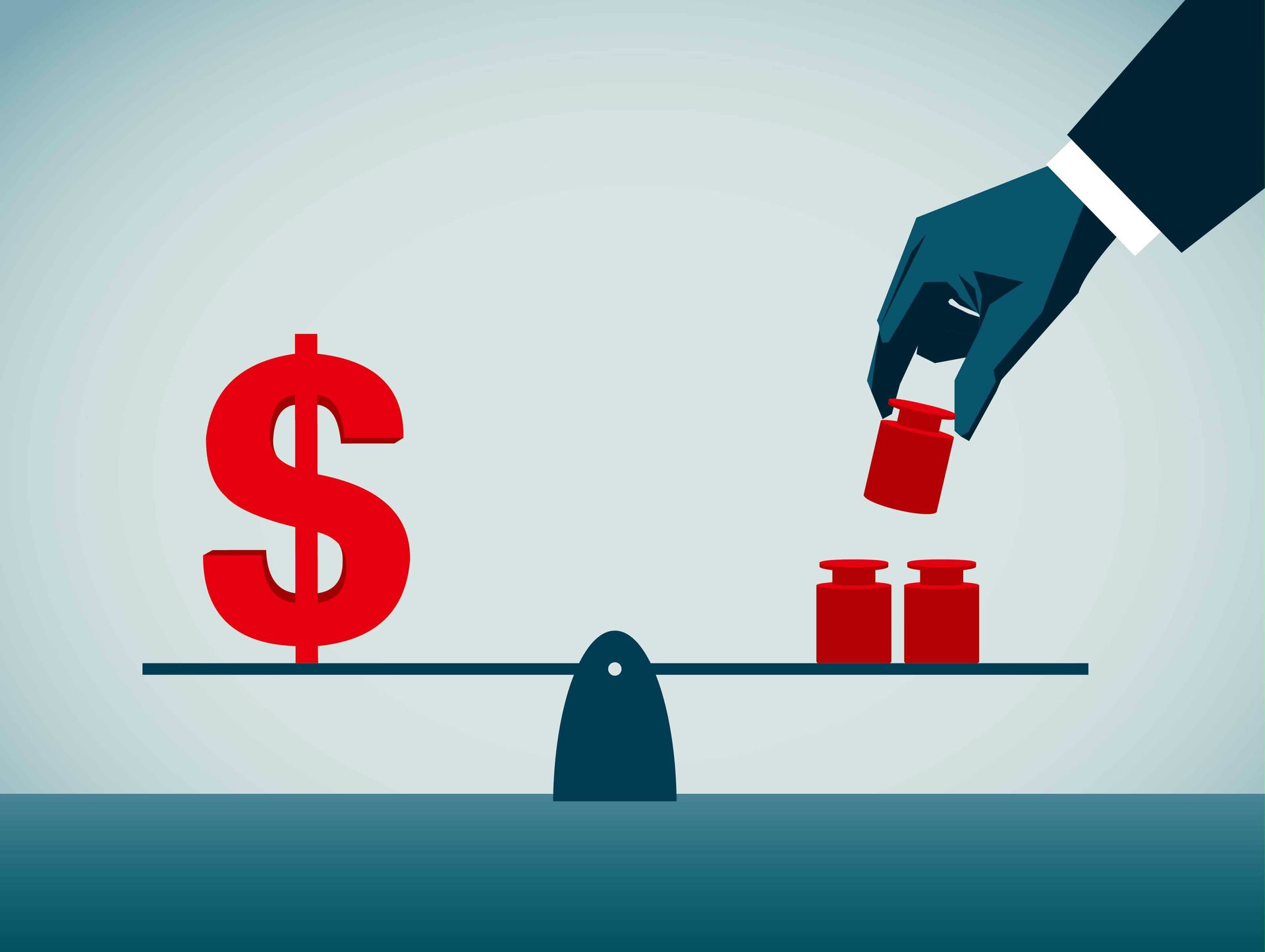
We are living through a massive, silent migration of risk from the balance sheets of billion-dollar companies to the kitchen tables of people like Greta P.K.
The Beautiful Lie of ‘Frictionless’
When we talk about the gig economy or peer-to-peer marketplaces, we often use words like ‘frictionless.’ It’s a beautiful word. It suggests a world where things just happen. But friction is a physical reality; it doesn’t just vanish. It is simply relocated.
Risk Distribution (Conceptual)
Co.
Algo
Greta
When that car hits a patch of ice, the company’s stock price doesn’t feel the impact. The driver feels it. Greta, working 52 hours a week in a heat-soaked bakery, shouldn’t have to be a forensic accountant to understand why her money is frozen.
“They use your own desire for speed against you. ‘Yes, we can send your money instantly,’ they say, ‘and because we are so fast and modern, we don’t have time to be responsible for what happens once the button is pressed.'”
“
We traded the slow, bureaucratic safety of traditional institutions for the fast, sleek danger of the digital age. And for a while, we didn’t notice because the interface was so pretty. But when the system fails, those pretty colors don’t pay the rent.
The Hypocrite’s Dilemma
I’ll admit, I’m a hypocrite. I still use the apps. I still crave the convenience. We want the freedom of the frontier but the safety of the city. We want ‘permissionless’ finance until our wallet gets drained by a scammer in a jurisdiction we can’t pronounce.
Re-Centering the Human Transaction
Re-Centered
Accountability Assumed
Outsourced
Risk Absorbed by User
This is where the model of Monica.cash becomes so relevant, not just as a service, but as a philosophical pivot. While others are busy building higher walls between their profits and their liabilities, there is a growing realization that the only way forward is to actually stand behind the transaction again.
The Court of Code
Greta P.K. doesn’t care about the blockchain or the ‘future of work.’ She cares about the fact that her sister needs that money for a surgery scheduled for the 12th of next month. The sheer arrogance of these platforms is staggering. They charge a premium for ‘trust’ and then, in the fine print, admit they trust no one-least of all their own users.
Flagged vs. Unflagged: The Digital Verdict
Flagged
No Court of Appeals
Unflagged
Platform Continues Earning
It’s a beautiful business model: you get paid to hold other people’s money hostage while pretending it’s for their own protection. It’s like a locksmith who locks you out of your own house and then charges you an hourly fee to ‘investigate’ why the key doesn’t work.
Demand for Skin in the Game
We need a return to skin in the game. Real innovation isn’t finding a new way to avoid responsibility; it’s finding a way to handle it more efficiently. If a platform takes a fee, they should take the risk. If they can’t guarantee the safety of the transaction, they shouldn’t be allowed to facilitate it.
OLD
The Oldest Rule of Trade
If I sell you a horse and that horse dies ten minutes later, I shouldn’t be able to point to a 42-page scroll and say, ‘I only facilitated the meeting between you and the horse.’
It sounds radical in 2024, but it’s actually the oldest rule of trade in the book.