The Cost of Cognitive Restart
The clicking of Susan’s acrylic nails against the plastic keyboard sounds like a rhythmic torture device designed in a lab. I am staring at line 43 of my code, but the logic is melting into a puddle of useless syntax. We were sold a dream of ‘serendipitous collisions’ and ‘agile synergy.’ The architects told us that by removing the walls, we would remove the barriers to innovation. They lied. Or, more accurately, they optimized for real estate costs and called it a cultural revolution. I am currently sitting at a ‘bench’ with 13 other people, our shoulders almost touching, in a space that was clearly designed for 3 fewer humans than are currently inhabiting it.
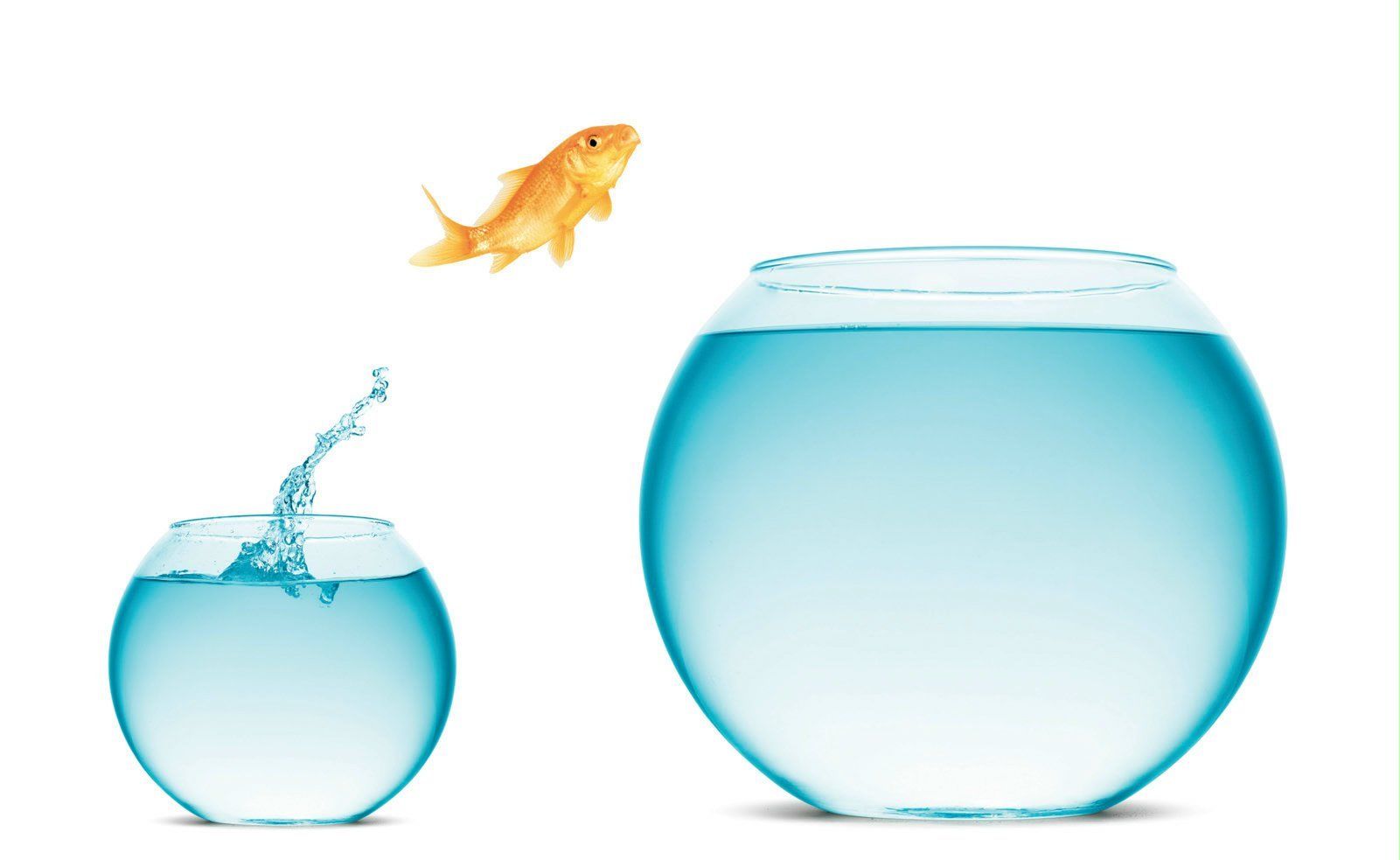
There is no synergy here. There is only a polite, simmering resentment and the sound of 13 pairs of headphones struggling to drown out the acoustic chaos. I can hear Greg, who sits 3 feet to my left, describing his weekend fishing trip. He is currently detailing the 3 different types of bait he used. I know more about Greg’s bait than I do about my own project’s architecture. This is the grand experiment in distraction. We have traded the quiet dignity of a door for the performative busyness of a fishbowl.
Research suggests it takes 23 minutes to return to deep focus after interruption. In an open office, the average worker is interrupted every 3 minutes. We are perpetually restarting.
The Turbine and The Static
Hayden T.-M. understands this better than most. Hayden is a wind turbine technician who spends 103 hours a month dangling from a harness or cramped inside a nacelle 83 meters above the ground. He is one of the 63 employees at a renewable energy firm that recently ‘upgraded’ to an open-plan headquarters. When Hayden is at the office, he feels like a signal trying to push through 503 layers of static.
Singular, mechanical frequency.
Printer jams and fishing details.
Up on the turbine, there is focus. Down here, at sea level, there is only the sound of the $43 shared printer jamming for the 3rd time today. Hayden told me that he finds the isolation of a 233-foot tower more comforting than the ‘collaboration’ of the breakroom. At least in the nacelle, nobody asks him for his thoughts on the 3-act structure of a reality TV show while he is trying to calibrate a 23mm bolt.
Invisible Barriers
I admit my own hypocrisy in this ecosystem. I complain about the noise, yet I am currently wearing open-back headphones that are likely bleeding a 103-decibel industrial techno mix into the ears of my neighbors. I am creating my own sonic wall, which in turn forces everyone else to turn up their volume.
Shared Air
Sonic Wall
Peripheral Threat
We are 3 people sitting in a row, not speaking, sending Slack messages to each other because the air between us is too thick with noise to traverse with actual vocal cords. It is an absurd dance. We have traded physical walls for invisible barriers that cost $303 and require USB-C charging. I even made the specific mistake of accidentally replying-all to 403 people last month with my grocery list because I was so distracted by the 3 people arguing about a parking spot behind my desk.
Cortisol and The Ancient Reflex
There is a biological cost to this environment that the accountants didn’t put in the 2023 budget. Our brains are not designed to ignore movement in our peripheral vision. For 100,003 years, a shadow moving in the corner of your eye meant a predator. You cannot turn off that lizard-brain reflex.
BEEP. BEEP. BEEP.
[The sound of the microwave beeping 3 times is the funeral knell of my focus]
Every time a coworker walks to the kitchen to microwave their salmon-a scent that lingers for 73 minutes-your brain flags it as a potential threat. Your cortisol levels spike. You lose your place in the document. You are being hunted by the office manager, and your productivity is the first casualty. I read a study claiming that open offices lead to a 43% drop in perceived privacy and a 13% increase in sick days. It turns out that when you share everything, you also share every germ.
The Panopticon of Productivity
We pretend that this is about transparency. We say that the lack of walls means the CEO is ‘accessible.’ But have you ever tried to have a serious conversation with a CEO when 23 people are watching you through a glass partition? It isn’t transparency; it is theater.
Performative Access
Packed Data Points
Cluster Desk
It is the ‘Panopticon’ of the modern era, where we act productive because we are being watched, rather than actually being productive because we have the space to think. The failure of the open office is a failure to respect the human need for autonomy. We are treated like data points to be packed into a 123-degree ‘cluster’ desk rather than professionals with complex cognitive requirements.
Reclaiming Dignity
There is a deep yearning that happens in these spaces-a yearning for a sense of self that isn’t defined by a 3-foot section of a communal table.
This is why we over-prepare for the weekends. We look for occasions to shed the ‘open office’ persona and reclaim our dignity. When you finally step away from the chaos of the communal table, you realize that your sense of identity has been eroded by the grey carpets and the 33-cent earplugs; you need something that restores that feeling of being a singular person, something as distinct as the curated Wedding Guest Dresses where the focus is on personal expression and the confidence that comes from owning your own space. In a world that wants to blend you into the background, choosing to stand out is an act of rebellion.
I suspect the pendulum will swing back eventually. Not to the soul-crushing beige cubicles of 1993, but to something that respects the 3 fundamental needs of the knowledge worker: quiet, natural light, and the ability to chew a grape without feeling like you are committing a sensory crime against your teammates. We need spaces that allow for ‘deep work’ rather than just ‘loud work.’ Until that day comes, I will continue to fight the battle of the brain freeze. I will sip my cold drinks more slowly, I will keep my 3 pairs of backup earplugs in my drawer, and I will dream of a day when a ‘collision’ means an exchange of brilliant ideas rather than just bumping elbows with Greg while he talks about worms.
The Orchid Metaphor
Architecture should serve the inhabitant, not just the landlord’s bottom line. When we design offices that ignore the reality of human focus, we aren’t just saving money on drywall; we are wasting the most valuable resource we have: the human mind. The open office is a 2023 monument to the misunderstanding of what it means to think.
Specific Conditions
Room to grow.
Swirling Ideas
Waiting to be caught.
It assumes that ideas are like dust, swirling around in the air, just waiting to be caught if we only leave the windows open. But ideas are more like orchids. They need a specific temperature, a specific light, and a lot of room to grow without being stepped on by someone looking for the $23 stapler. My brain freeze is finally starting to fade, but the headache of the open office is, I fear, a chronic condition.